

Physical recovery can sometimes feel like a long journey. Whether you are recovering from an injury, managing stiffness, dealing with muscle tension, or simply looking to improve mobility, rehabilitation is about more than treating a single symptom. It involves restoring movement, supporting strength, improving daily habits, and creating a healthier balance between the body and mind.
Ayurvedic physical rehabilitation offers a holistic approach that combines traditional Ayurvedic principles, therapeutic treatments, yoga, nutrition, lifestyle practices, and relaxation techniques. Kerala, with its long-standing connection to Ayurveda, has become a popular destination for people seeking traditional wellness and rehabilitation experiences.
Ayurvedic physical rehabilitation is an approach that uses principles of Ayurveda to support physical wellbeing and recovery. Instead of focusing only on a particular area of discomfort, Ayurveda considers the individual as a whole, including lifestyle, diet, sleep, movement, stress, and daily routine.
A personalized Ayurvedic program may include traditional oil therapies, therapeutic massages, yoga, breathing exercises, dietary guidance, and other Ayurvedic treatments depending on an individual's needs.
It is important to remember that Ayurveda should not automatically replace medical diagnosis, physiotherapy, surgery, or emergency treatment. Instead, qualified Ayurvedic care can be considered as a complementary approach where appropriate.
Recovery is rarely achieved through one treatment alone. Consistent movement, adequate rest, good nutrition, stress management, and professional guidance can all play an important role.
Ayurveda approaches wellness through several interconnected areas.
Reduced mobility can occur because of inactivity, ageing, muscle tightness, or recovery from an injury. Gentle yoga and appropriately selected Ayurvedic therapies may help support flexibility and comfortable movement.
Yoga postures can be modified according to a person's abilities. The focus should be on controlled movement rather than forcing the body into advanced positions.
Stress and poor sleep can make the recovery process more challenging. Ayurvedic wellness programs often incorporate relaxation practices, breathing exercises, meditation, and gentle yoga.
These practices can help create a calming daily routine and encourage greater awareness of the body.
Ayurveda places considerable importance on daily routines. Appropriate sleep, balanced nutrition, regular movement, hydration, and mindful habits can contribute to overall wellbeing.
A practitioner may provide lifestyle recommendations based on the individual's needs rather than suggesting the same routine for everyone.
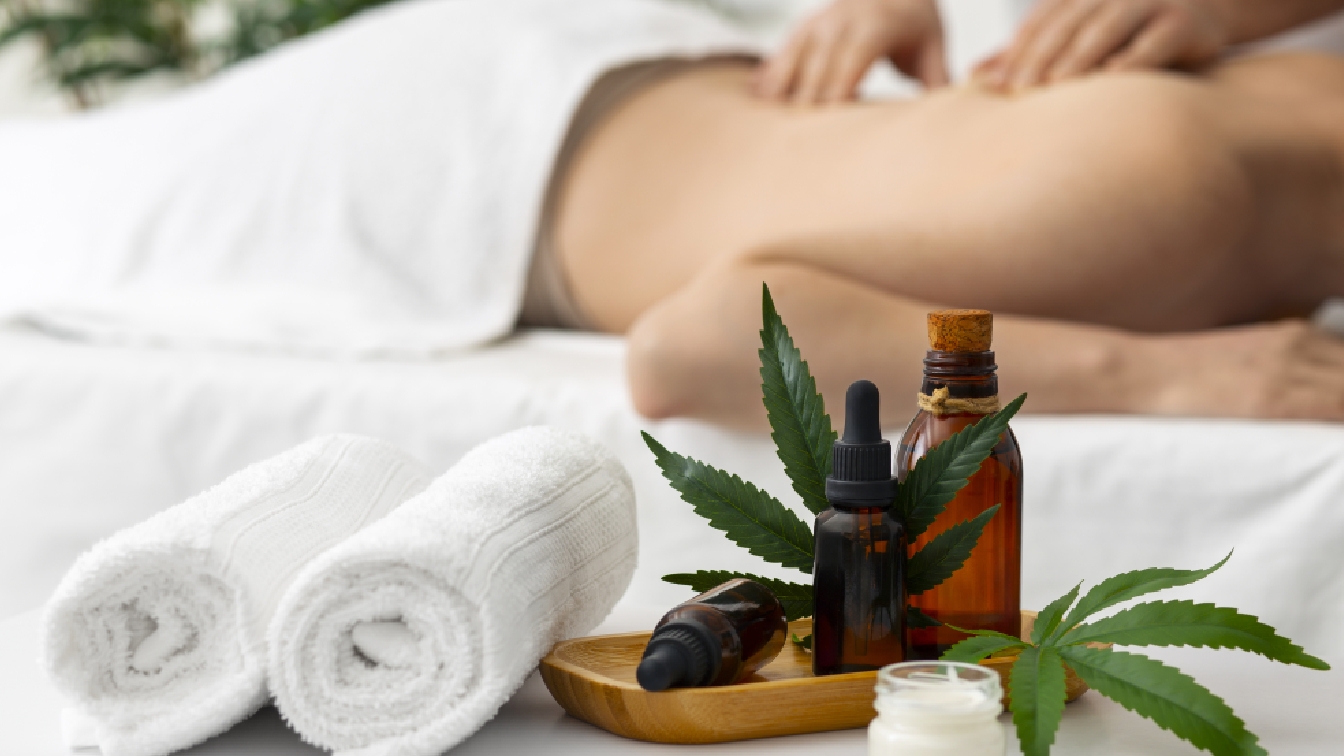
Ayurvedic centers may provide traditional therapies such as Abhyanga and other oil-based treatments. Depending on the individual's assessment, practitioners may recommend specific therapies as part of a broader wellness plan.
Treatment should always be provided by appropriately qualified professionals, particularly when a person has an existing medical condition or is taking medication.
Yoga and Ayurveda have a long association within India's traditional wellness culture. When appropriately adapted, yoga can complement a physical rehabilitation program by incorporating movement, flexibility, balance, breathing, and relaxation.
For rehabilitation purposes, yoga does not necessarily mean performing complicated poses. Simple movements can be valuable, especially for individuals who are beginning an exercise routine or gradually returning to physical activity.
A suitable yoga program may focus on:
The World Health Organization recommends that adults undertake at least 150 minutes of moderate-intensity physical activity per week, while also emphasizing that some physical activity is better than none. Individual activity levels should, however, be adjusted according to health status and physical capacity.
Kerala is widely associated with Ayurveda and traditional wellness practices. The state's cultural heritage, established Ayurvedic institutions, experienced practitioners, and wellness facilities have helped make it an important destination for Ayurvedic care.
For people searching for Authentic Ayurveda Treatment in Kerala, choosing the right provider is particularly important. A traditional setting alone does not guarantee quality care.
Visitors should look for centers that provide qualified practitioners, individualized assessments, hygienic facilities, transparent treatment information, and appropriate professional supervision.
A good holistic wellness center in Kerala should also understand the importance of referring a client or patient to conventional medical care when a condition requires medical evaluation.
Panchakarma Treatment in Kerala is one of the most recognized Ayurvedic therapeutic approaches. It refers to a structured set of traditional procedures that are selected according to Ayurvedic assessment.
Panchakarma should not be viewed simply as a general detox package. Traditional programs can involve preparatory practices, specific procedures, dietary considerations, rest, and post-treatment guidance.
Because Panchakarma can involve intensive therapeutic procedures, it should be undertaken only after an appropriate assessment by a qualified Ayurvedic practitioner.
People who are pregnant, recovering from major surgery, taking prescription medication, or managing significant medical conditions should discuss their circumstances with appropriate healthcare professionals before undertaking any intensive complementary treatment.
Selecting an Ayurveda center requires careful consideration. Before making a decision, ask questions about the practitioners, treatments, facilities, and overall approach.
Qualified practitioners: Check the qualifications and professional credentials of the Ayurvedic practitioners.
Personalized treatment: A good program should take your individual health history and goals into account.
Clear communication: The center should explain what each therapy involves and what you can reasonably expect.
Hygiene and safety: Treatment rooms, equipment, oils, and other materials should be handled professionally.
Appropriate referrals: A responsible provider should recognize when conventional medical evaluation is necessary.
Realistic expectations: Be cautious of claims promising guaranteed cures or immediate results.
Ayurvedic rehabilitation can offer several potential advantages when appropriately integrated into a person's overall wellness plan.
Ayurveda is not a universal solution for every medical condition. Scientific evidence varies between individual Ayurvedic therapies, and some herbal products may interact with medicines.
Anyone with a diagnosed condition should obtain appropriate medical advice and inform their Ayurvedic practitioner about existing treatments and medications.
The most practical approach to rehabilitation is often one that uses appropriate methods from different areas of healthcare.
For example, someone recovering from an injury may receive conventional medical assessment and physiotherapy while also using suitable yoga, relaxation practices, nutrition guidance, or Ayurvedic wellness therapies under professional supervision.
This integrated perspective places safety first while allowing individuals to explore traditional wellness practices.
Ayurveda may complement physical rehabilitation through traditional therapies, lifestyle guidance, yoga, relaxation, and dietary practices. Its suitability depends on the individual's condition and should be assessed by a qualified professional.
Yes, appropriately modified yoga can support flexibility, mobility, balance, relaxation, and body awareness. People recovering from injuries or surgery should practice under suitable professional guidance.
Panchakarma Treatment in Kerala refers to a structured Ayurvedic therapeutic approach involving selected traditional procedures. It should be planned and supervised by a qualified Ayurvedic practitioner.
Look for qualified practitioners, individualized assessments, hygienic facilities, transparent treatment information, and realistic claims about outcomes. It is also useful to ask how the center handles medical referrals when necessary.
No. The suitability of an Ayurvedic therapy depends on factors such as age, health condition, medications, and individual circumstances. Professional assessment is important before starting treatment.
Ayurvedic physical rehabilitation provides a holistic perspective on recovery by bringing together traditional therapies, yoga, lifestyle practices, nutrition, relaxation, and personalized care. For those exploring Authentic Ayurveda Treatment in Kerala, the state's rich Ayurvedic heritage offers an opportunity to experience traditional wellness in a professional setting.
The key is to choose qualified practitioners, maintain realistic expectations, and use Ayurveda responsibly alongside appropriate medical care.